Highway 99 Expansion Moves Forward: What Grand Parkway Segment C Could Mean for Stonecreek Estates
By Stonecreek Estates Admin · August 9, 2026 · Updated August 12, 2026 · 7 min read
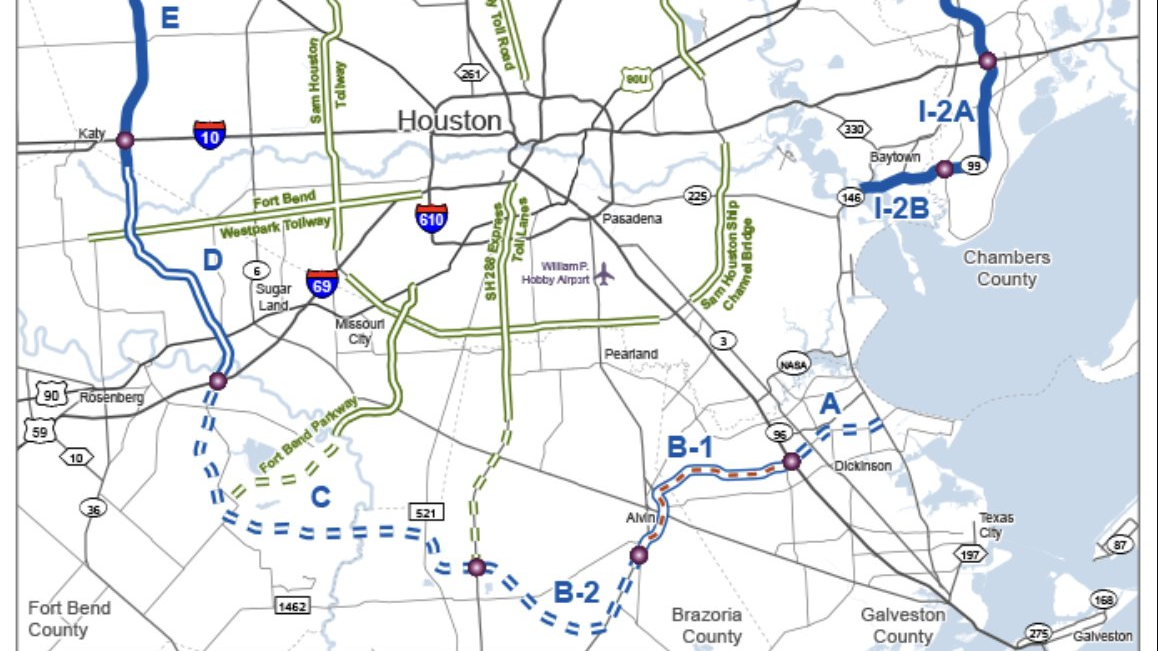
The proposed expansion of Highway 99 south and east of Richmond has taken an important step forward—but no, bulldozers are not arriving beside Stonecreek Estates next Tuesday.
On May 14, 2026, the Fort Bend County Commissioners Court voted to transfer project leadership, known as "primacy," to the Texas Department of Transportation for Grand Parkway Segments C1 and C2 and the unbuilt portion of Segment D. County Judge Daniel Wong described the move as a way to avoid further delays and allow TxDOT to advance the project without construction costs being paid by Fort Bend County.
That vote is meaningful. It identifies TxDOT as the agency responsible for leading the planning and development process. However, it is not a construction-start announcement. TxDOT still lists Segment C as unbuilt, and no contractor, construction date or opening date has been published.
What Is Grand Parkway Segment C?
Segment C is the proposed missing portion of the Grand Parkway between I-69/US 59 in Fort Bend County and SH 288 near Rosharon. TxDOT describes it as an approximately 26-mile, four-lane controlled-access toll road with intermittent frontage roads through portions of Fort Bend and Brazoria counties.
The proposed corridor would continue the Grand Parkway south and east from its current endpoint at I-69/US 59. Historic route maps place it through the broader FM 762 and Crabb River Road area before it continues toward SH 288.
TxDOT held a public workshop for Segment C at George Ranch High School in 2012, which helps explain why the project feels especially relevant to residents around Stonecreek Estates and the George Ranch area.
The route received federal environmental approval years ago. That approval allows the project to advance, but it does not mean the final road is fully funded, construction-ready or guaranteed to follow every old map line without refinement.
What "TxDOT Primacy" Actually Means
The May vote settled who will take the lead.
Fort Bend County agreed to transfer primacy for Segments C1 and C2 and the unbuilt portion of Segment D to TxDOT. In plain English, TxDOT can now oversee the project's continued planning and development instead of leaving that responsibility with the county.
The Commissioners Court also authorized the execution of documents needed for the transfer. A later county agenda item clarified which county official was authorized to sign those documents.
Judge Wong said the transfer would allow the expansion to move forward at no cost to Fort Bend County and called the project important to the county's continued growth. That does not mean the road itself is free; Segment C is still described as a proposed toll facility. It means the county would not be responsible for the project's development and construction costs under the arrangement described by county leaders.
The distinction matters:
- Before the vote: Project leadership and responsibility still needed to be resolved.
- After the vote: TxDOT has a clearer path to lead planning and development.
- Still missing: A published funding package, contractor, construction-start date and opening schedule.
This is progress, but it is progress in the government-project sense—important paperwork before important pavement.
How Could the Expansion Affect Stonecreek Estates?
Stonecreek Estates is west of the proposed Segment C corridor. The route is not shown cutting through the neighborhood. Its potential effect would come primarily from new regional connections, changing traffic patterns and future development around nearby roads and interchanges.
If built, Segment C could provide another route between Richmond, Rosenberg, Sugar Land, Rosharon and the SH 288 corridor. Supporters say that could improve access to major Houston employment centers, including the Texas Medical Center, downtown Houston and areas along Highway 288.
For Stonecreek residents, possible long-term benefits could include:
- Another option for reaching SH 288 and communities southeast of Houston
- Improved regional access to employment centers, hospitals and commercial areas
- Less dependence on a small number of heavily traveled east-west routes
- New retail and service development near future interchanges
- A stronger connection between the Grand Parkway and other regional toll-road systems
Those benefits are projections, not promises. Actual commute-time changes would depend on the final route, interchange design, toll rates, traffic volumes and where a resident is traveling.
Growth Is a Major Reason the Project Is Moving Again
Fort Bend County is not exactly hiding its growth under a bushel basket. New homes, schools, businesses and master-planned communities continue to spread across southern and western portions of the county.
The Covering Katy report identifies two large planned developments near the future corridor:
- Austin Point, a planned 4,700-acre community expected to eventually house approximately 50,000 residents
- The George, a large development planned near the FM 2977 corridor
Projects of that size can create enormous new transportation demand. County leaders argue that building major road connections before all those residents arrive is preferable to waiting until traffic reaches full daily meltdown status.
Supporters also expect Segment C to eventually connect with the expanding Fort Bend Parkway, creating a more direct link toward Beltway 8 and the southern portion of Loop 610.
What About Traffic, Development and Home Values?
A new highway can bring both advantages and tradeoffs.
Improved access may make the broader Richmond and Rosenberg area more attractive to employers, retailers and homebuyers. New interchanges often encourage commercial growth, which could place more stores, restaurants and services within a convenient drive of existing neighborhoods.
But new access can also accelerate development. Roads that are quiet today may carry more vehicles in the future, and previously open land may become residential, commercial or industrial property.
For homeowners, the effect on property value is rarely as simple as "new highway equals higher value." Convenience may help homes within a reasonable drive of an interchange. Properties immediately beside a major roadway may face concerns involving noise, visibility or traffic. Stonecreek Estates' distance from the proposed route means its experience could be different from communities built directly along the corridor.
The most honest conclusion is that Segment C could improve regional accessibility while also increasing development pressure across southern Fort Bend County.
This Is Not the Same as the Segment B-1 Construction Schedule
Some reports about the Grand Parkway mention construction beginning in late 2026 or early 2027. Those dates apply to Segment B-1, a different part of the system farther southeast in Brazoria and Galveston counties.
Segment B-1 has advanced to contractor selection. Segment C has not reached that stage.
The two projects appear on the same giant Grand Parkway loop, but their schedules are not interchangeable. Giving Segment C to TxDOT is a substantial administrative step; it does not magically borrow Segment B-1's construction calendar.
Do Not Confuse It With the Fort Bend Parkway Extension
The Fort Bend Parkway Toll Road extension is another separate transportation project. Fort Bend County Toll Road Authority plans include extending that road toward FM 762 and, in a later segment, toward SH 36.
The Fort Bend Parkway and the Grand Parkway are different roads. Their possible future connection is one reason Segment C matters, but one is not simply another name for the other. Fort Bend transportation planning comes with enough similar names to qualify as a pop quiz.
What Residents Should Watch for Next
The next meaningful signs that Segment C is moving closer to construction would include:
- A formal agreement completing the transfer to TxDOT
- Updated route, design or environmental documents
- Public meetings or new opportunities for resident comment
- Identified state or federal funding
- Right-of-way acquisition activity
- A procurement notice or named contractor
- An official construction and completion schedule
Until those milestones appear, residents should view Segment C as a serious long-range transportation project that has gained momentum—not as an active construction zone.
The Bottom Line for Stonecreek Estates
The May 2026 vote is more significant than the older description of Segment C as merely a line on a planning map. Fort Bend County has chosen to let TxDOT lead Segments C1 and C2 and the unbuilt portion of Segment D, removing a major question about project responsibility.
If completed, Segment C could create a new connection from I-69/US 59 to SH 288, improve access to Houston job centers and support the large amount of growth planned south and east of Richmond and Rosenberg.
But the careful wording still matters: Segment C is moving forward in planning and development, not currently under construction. No official start date or opening date has been announced.
For Stonecreek Estates, this is worth following closely. It could eventually reshape how residents travel across the southern Houston region and influence where new homes, businesses and services appear. For now, however, the story is about who will lead the project and what could come next—not orange barrels outside the neighborhood.
Read more about the neighborhood's location and connectivity on our About page.
Updated August 9, 2026. The May 14 vote advances project leadership and development; it does not establish a construction-start date for Segment C. Readers should confirm later changes with TxDOT and Fort Bend County.
Sources